

"Mindsets" is a blog series featuring short posts that showcase interesting people, research, and innovation associated with the E-lab.
The name "Mindsets" reflects a key concept: entrepreneurship should be understood not just as a specific activity, but as a mindset. These mindsets shape how we perceive the world and approach challenges.
“Mindsets” aim to capture the energy and depth of the thrilling environment that E-lab is creating—one that brings together individuals from various fields and fosters collaboration between academia and industry.
To submit a blog for consideration, use this form!
Filter by Topic
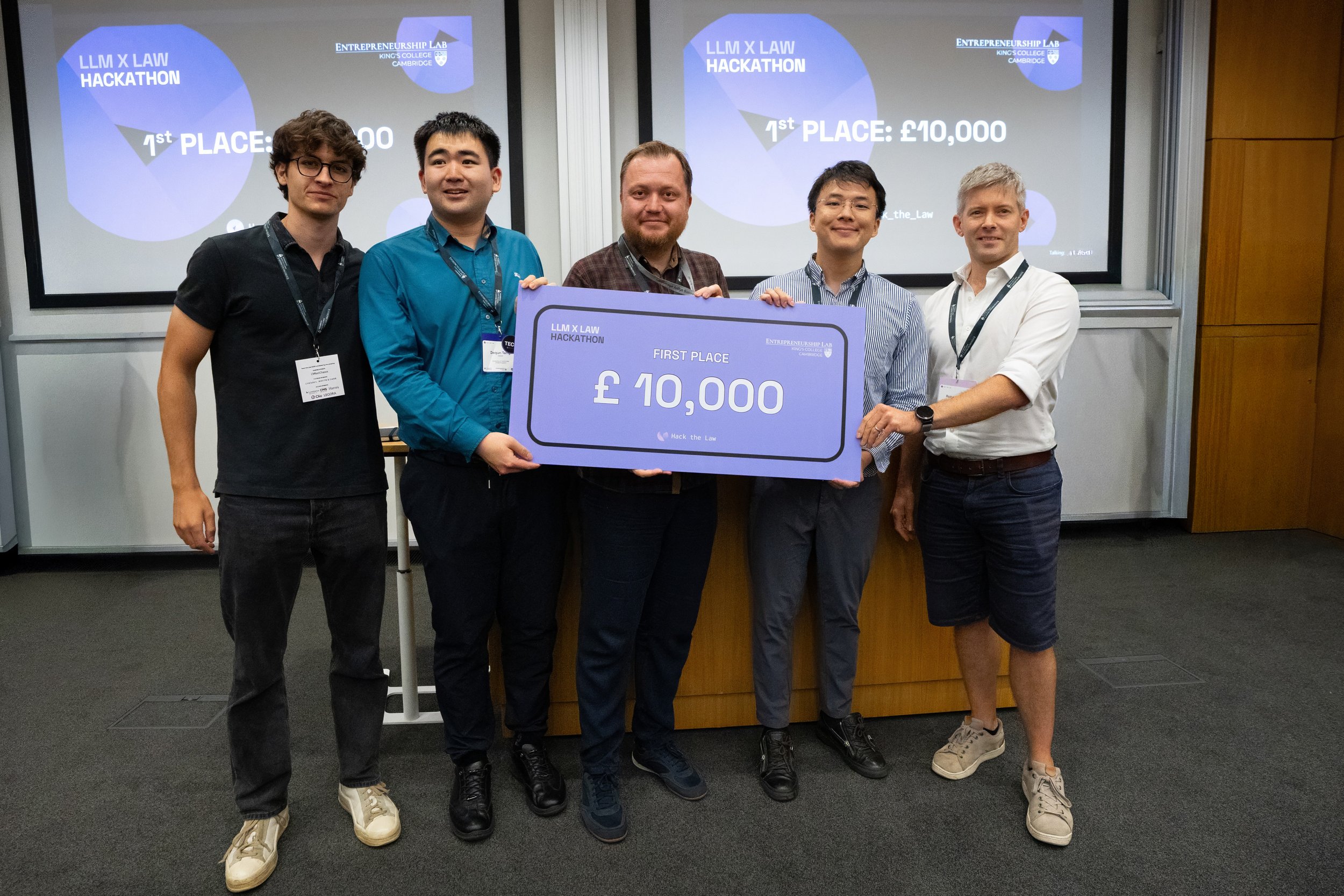
Beyond the Red Flag: Building ConsistencyCheck to Strengthen Legal Judgement at Hack the Law 2026
The E-Lab’s Hack the Law 3.0 brought energy, excitement, and collaboration to the heart of Cambridge. Across a range of workshops, hacking, and research presentations, the three days brought together students from 24 countries and more than 60 universities to produce innovation at the intersection of law and technology. In this week’s blog, read from our winners of the competition as they reflect on the deeper question behind their challenge brief: how can AI support legal work without weakening the lawyer’s own judgement?
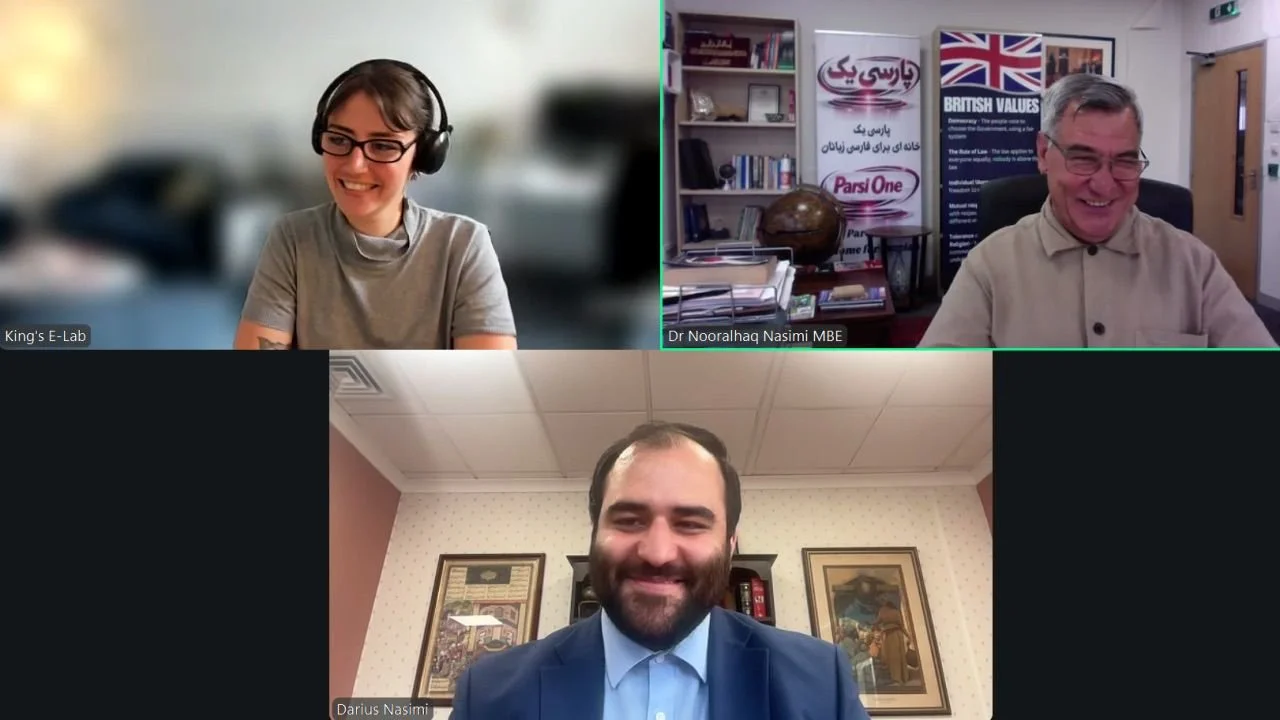
What We Lose When We Forget the Humanities
Over the past few months, our brilliant Mia Fulford has developed and run the Dialogues for Post-Conflict Futures series, an initiative which convenes those with lived experience to understand how locally driven social innovation can shape more adaptive, context-sensitive, and sustainable pathways to recovery. In this week’s blog, read Mia’s argument for why conversations about innovation in complex and often deeply contested contexts cannot be reduced to technical expertise alone but must continue to centre questions of competing histories, values, and understandings of what it means to live together. Questions that only the humanities are well positioned to answer.
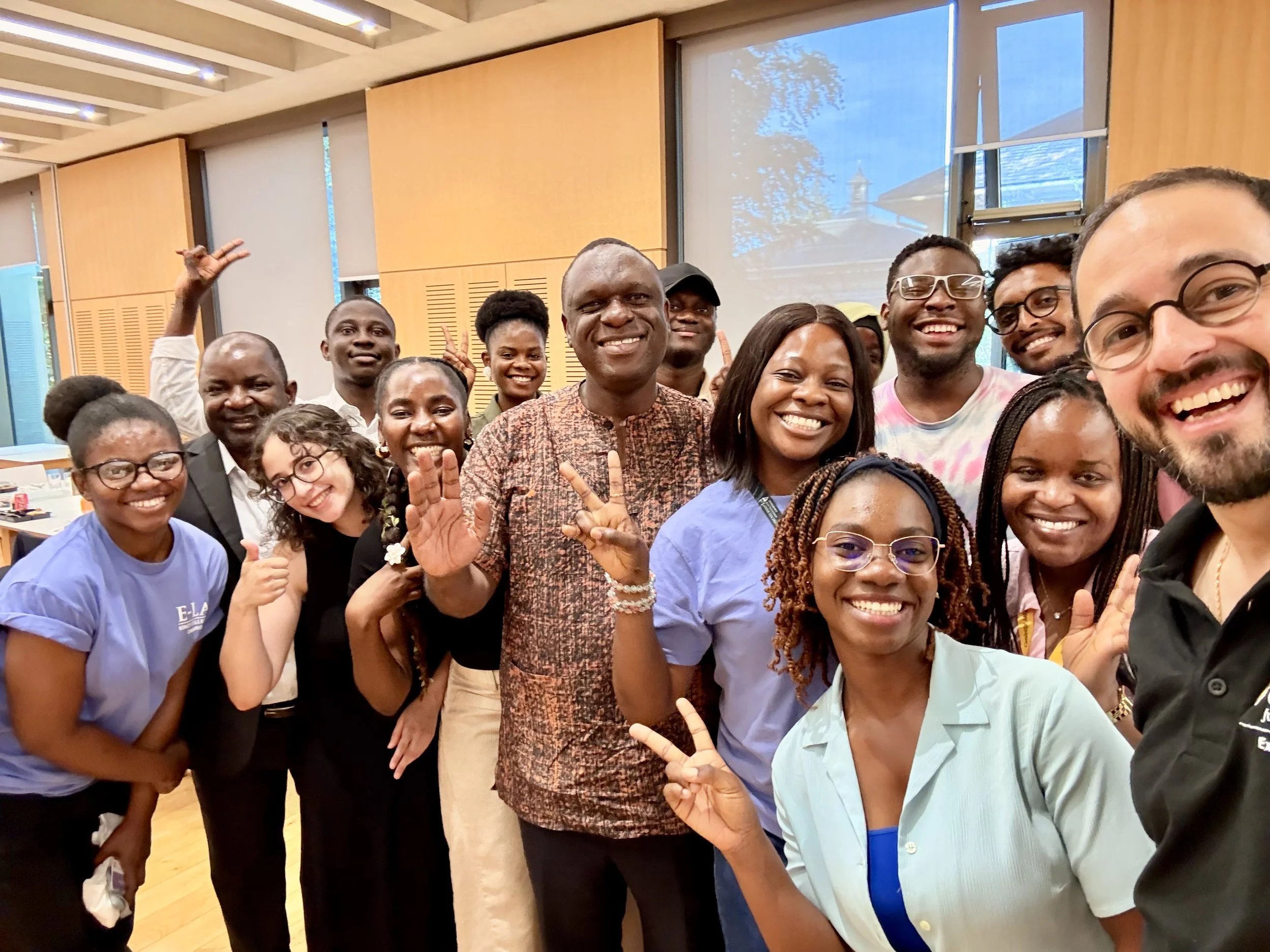
What Kind of Leadership Does the Age of Artificial Intelligence Demand?
At the end of June 2026, the E-Lab hosted its third successful Hack the Law Hackathon. It brought together students and researchers from 20 countries and produced an array of exciting collaborations alongside innovative solutions at the intersection of law and technology. In this week’s blog, read from H.E. Mbelwa Brighton Kairuki, the current High Commissioner of the United Republic of Tanzania to the United Kingdom and one of the inspirational speakers who opened proceedings, as he reflects on the kind of leadership we need in the era of AI and how we can champion diversity, curiosity, and responsibility.
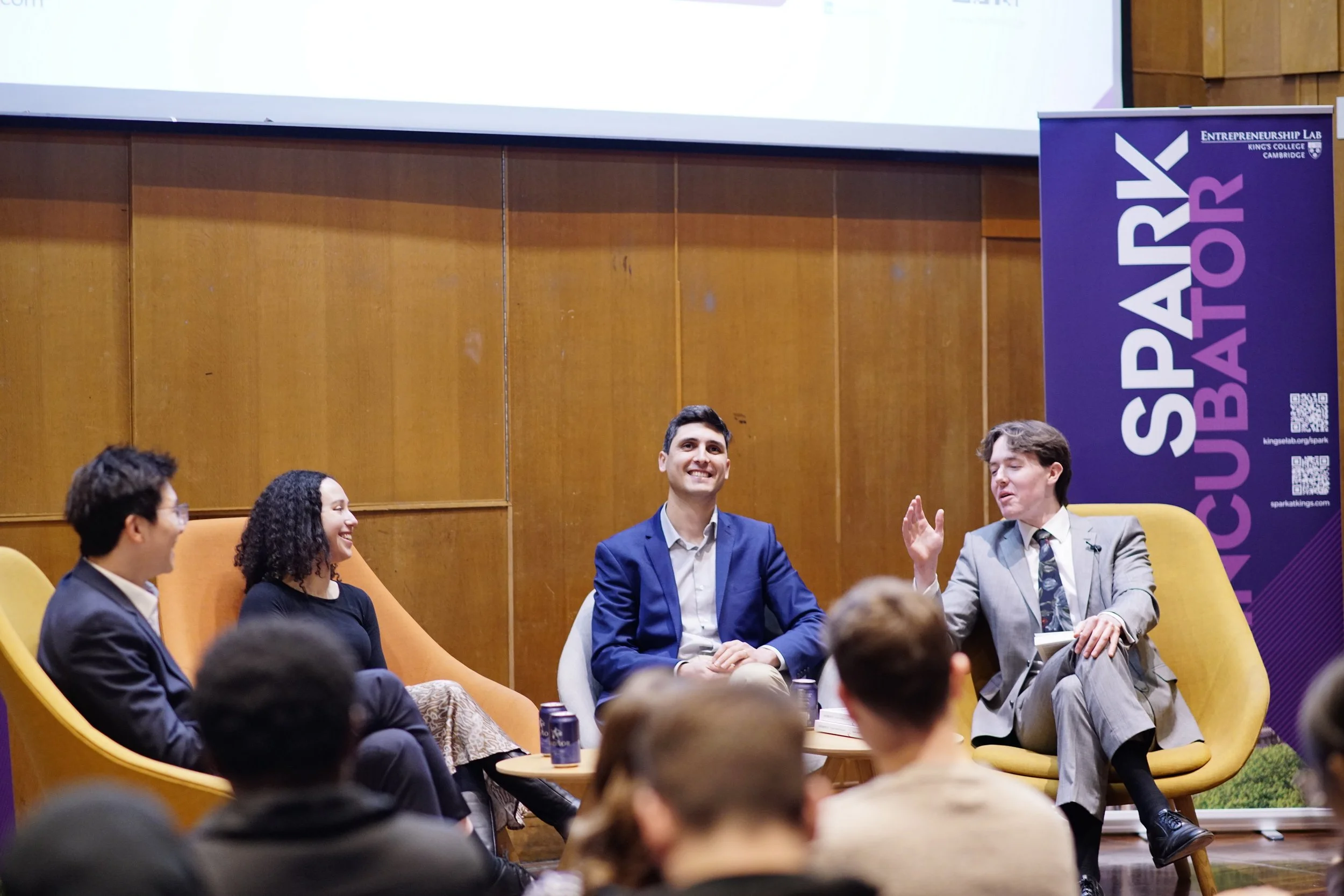
From Technical Founder to Problem-First Company Building
Polytecks began, like many deeptech companies, with a technology first mindset. SPARK 1.0, however, forced a mindset change that meant rethinking everything from the ground up. In this week’s blog, read how Polytecks founder, Ruben Ruiz-Mateos Serrano found the four week process and how his learnings from SPARK 1.0 prompted a shift has shaped every decision since.

Resilience for Entrepreneurs in the Age of AI
In the world of innovation today, it is difficult to confront considerations of AI. So how should emerging entrepreneurs be thinking about AI as a tool for performance without increasing the cacophony of noise and inputs that amount to everyday life? In this week’s blog, Elle Whitelegg argues that resilience for entrepreneurs in the age of AI is about the ability to stay anchored to a longer-term goal while operating in a faster-moving environment.
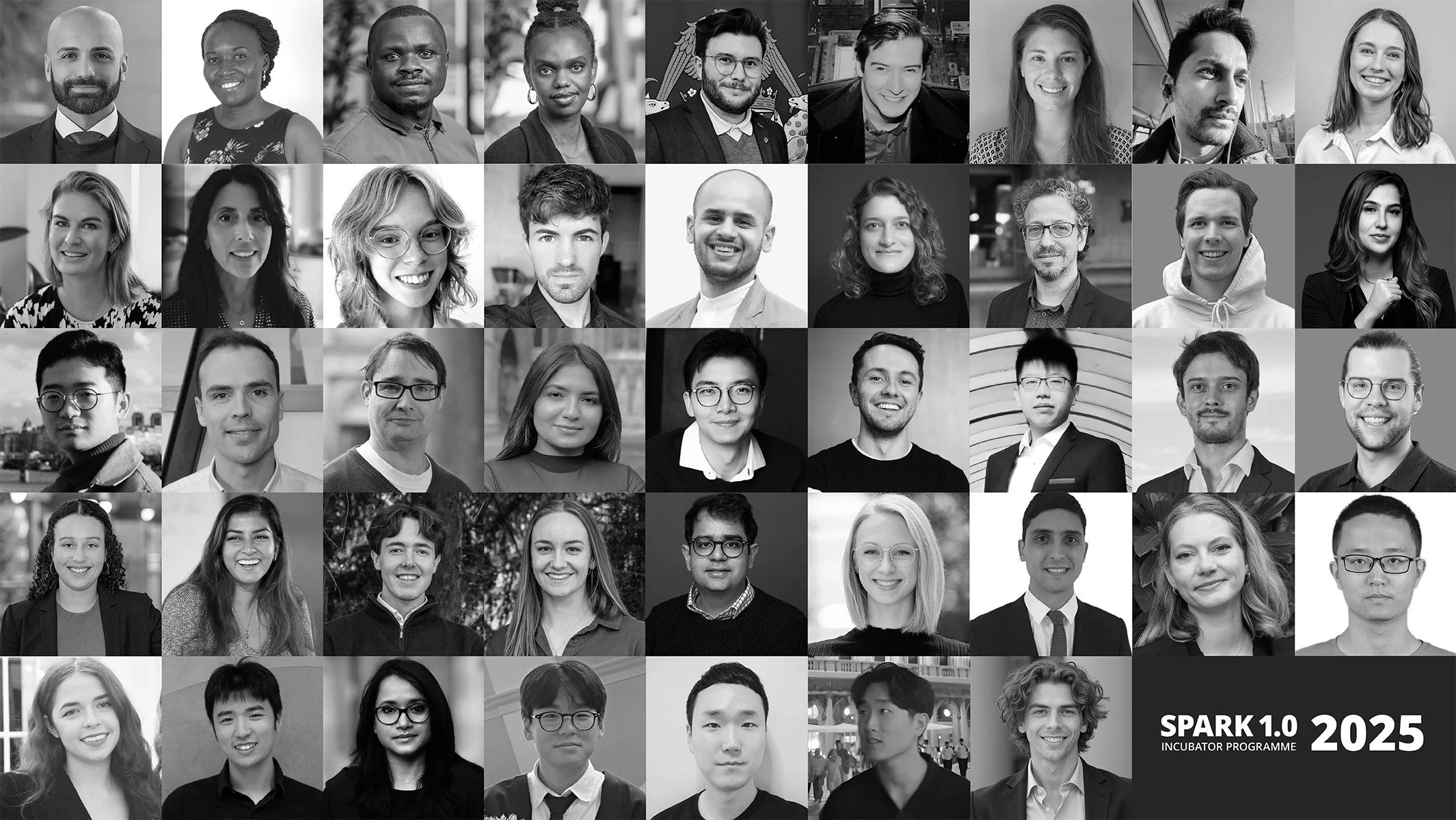
Why Being Uncomfortable is Sometimes the Point: A Reflection of SPARK 1.0
Starting SPARK 1.0, Petra Scalamandré thought she had a clear answer to why the problem she was working on mattered. She didn’t. That was uncomfortable. It was also the point. As we build up to the announcement of the newest cohort of the SPARK Incubator programme, in this week’s blog, Petra details how the process of ‘undoing’ defined her experience of the programme as she learnt about what entrepreneurship really is and why an attachment to questions rather than ideas is essential.
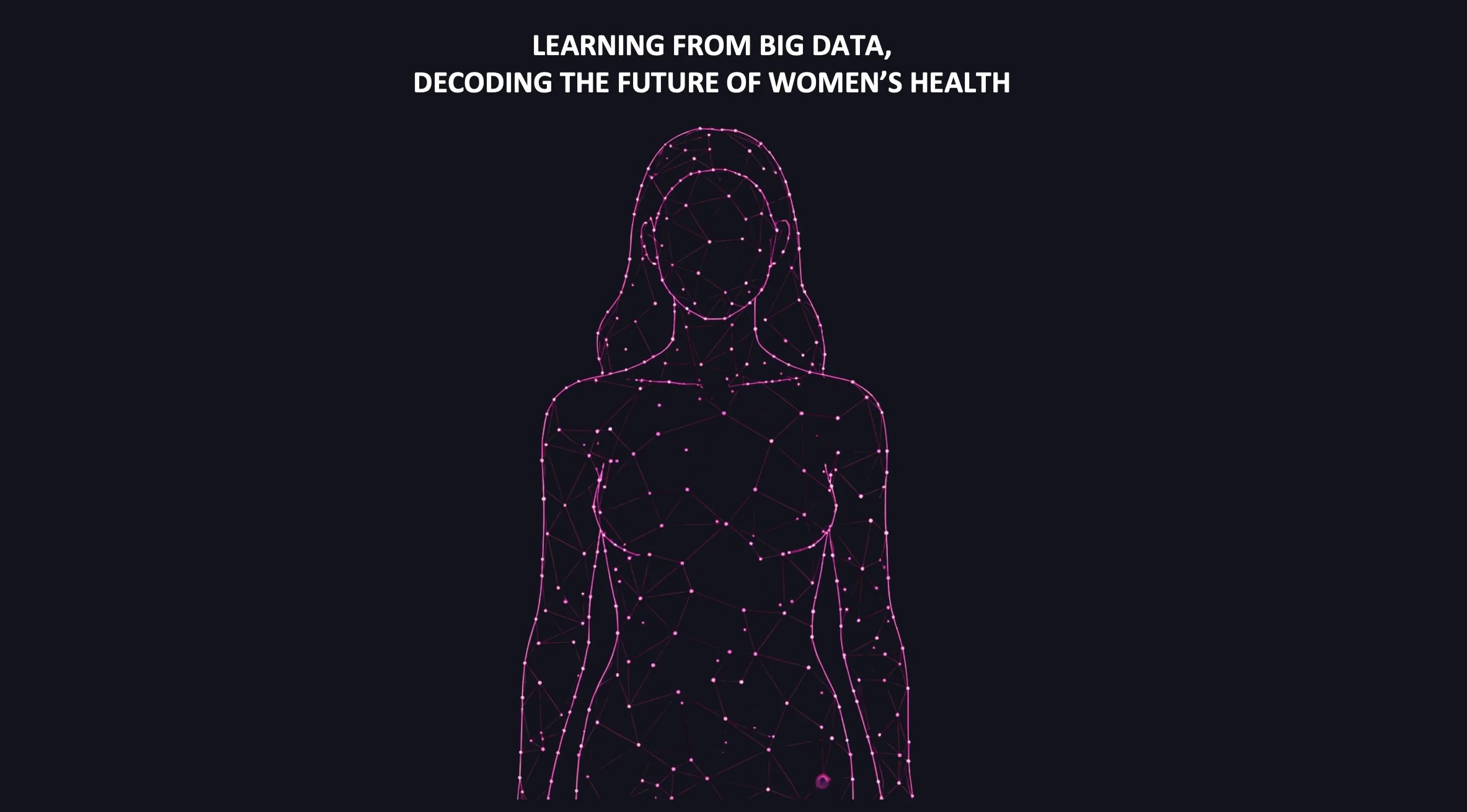
Rewriting the Future of Women’s Health Part Two
A new wave of innovation is redefining women’s health - and with it, one of medicine’s most overlooked opportunities. In this week’s blog read this second part of Rewriting the Future of Women’s Health from MPhil student Anastasiya Rozenbaum, Founding Scientist at OvartiX Kyra Ungerleider and Co-Founder of Clair Jenny Duan as they outline how breakthrough advances, from Cambridge’s biotechnology ecosystem to Silicon Valley’s health-tech frontier, are transforming the field.
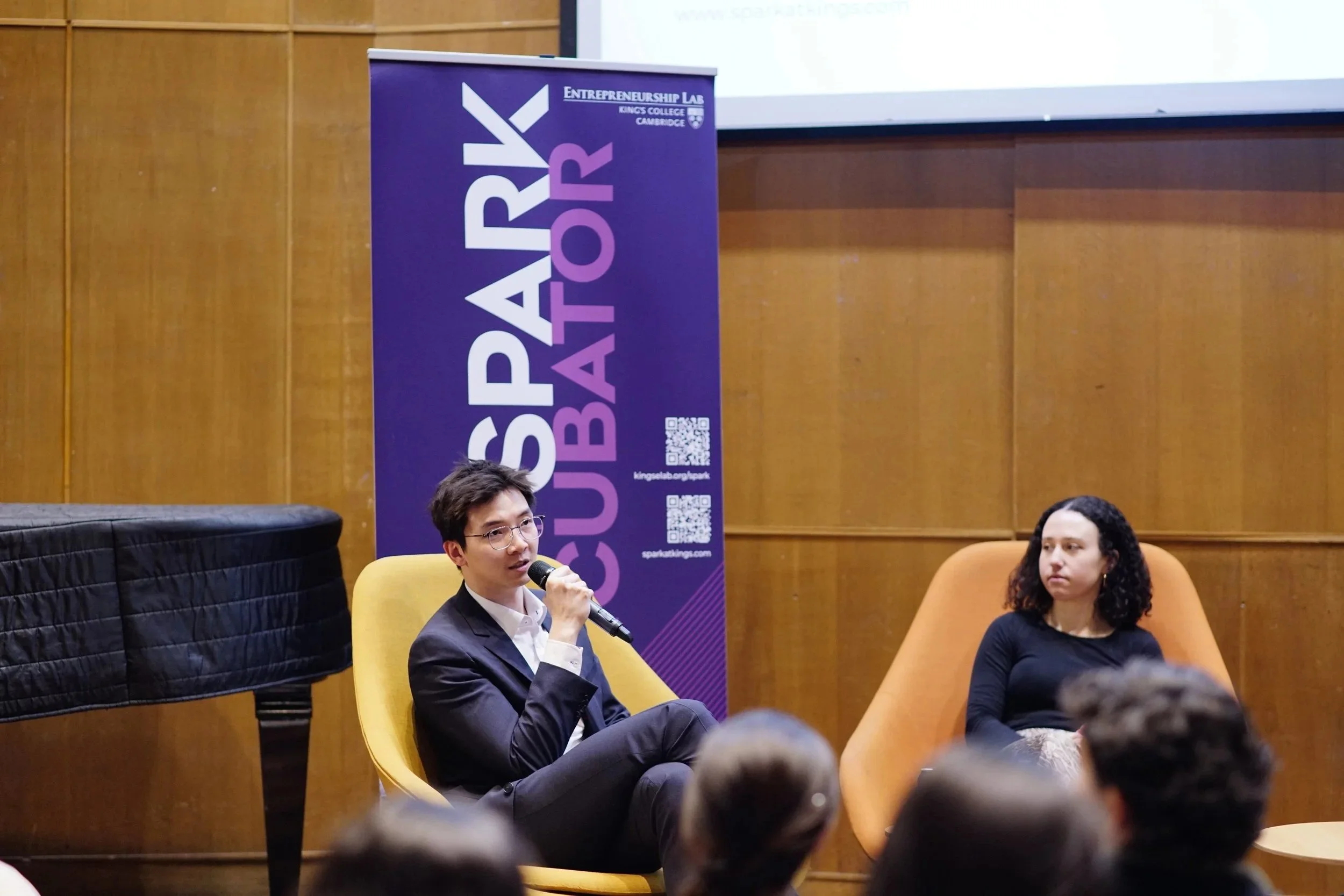
From PhD to Founder: Why Technical Expertise is Only Half The Battle
In 2025, the King’s E-Lab launched its SPARK Incubator programme to fast-track early-stage ventures to investment readiness and support founders in the heart of the University of Cambridge. In this week’s blog, Bernard Cho reflects on his journey from clinical neuroscience to Med Arcade and the identity shift he experienced with the adoption of an entrepreneurial mindset. Discover why the Cambridge ecosystem and SPARK 1.0 was the catalyst he needed to move from over-planning to execution.

Slow is Smooth, Smooth is Fast: How Quantum Is Making F1 Races Faster
Optimisation matters in F1 as much as it does across the world of business. Whether for pitstops or power grids, the task of finding optimal solutions to various problems as quickly as possible is complex and intricate, and as yet, difficult to solve. But innovation across industries suggests quantum may be a possible aid. In this week’s blog, read Chris Tagnon’s outline of the promise of quantum annealing: a powerful method of solving some of the world’s hardest optimisation problems. For F1 and beyond.
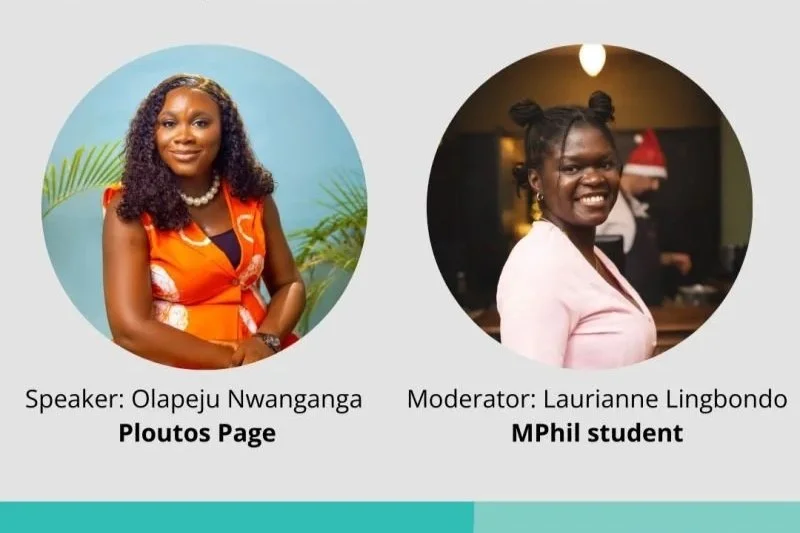
Banking Nigeria’s Invisible Women
On the 4th of March 2026, Mphil student Laurianne Lingbondo moderated the second session of the African Founders Webinar Series (AFWS) for the year which featured Olapeju Nwanganga, founder of Ploutos Page, a fintech company helping market traders grow with smart, simple, and human‑centered financial tools. In this week’s blog, read Laurianne’s reflection on the insights provided by Nwanganga on value, visibility and the power of combining purpose and profit.
Synthetic Voice, Real Catastrophe
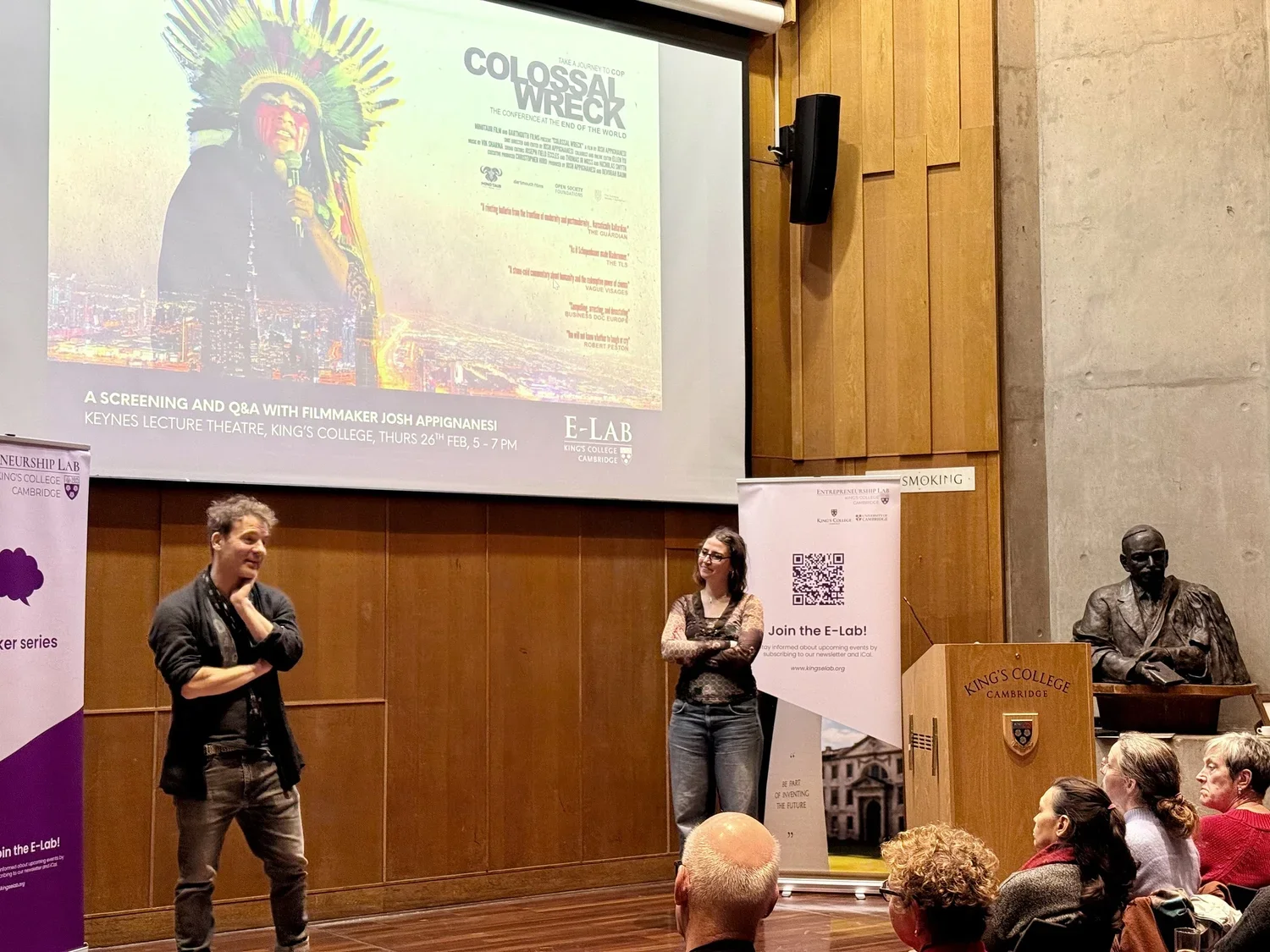
On the 26th of February 2026, the E-Lab hosted a screening of Josh Appignanesi's latest documentary Colossal Wreck, an unflinching journey inside COP28 in Dubai, followed by a Q&A with the filmmaker himself. In this week’s blog, read the thoughts of attendee Sue Trory as she reflects on what it means to watch a film about climate crisis narrated by an AI voice clone, and asks why the most urgent long-term threat to human civilisation has quietly disappeared from our news agenda and collective conscience.

Land, Power and Development: Rebuilding Nigeria’s Land Systems
On the 18 of February 2026, Mphil student Enita Okonkwo joined the first session of the African Founders Webinar Series (AFWS) for the year which featured Nnamdi Uba, founder of Sytemap, a satellite technology and blockchain-backed verification systems to digitise proof of allocation in a property market. In this week’s blog, read Enita’s reflection on why the discussion on PropTech provided an inspiring example of how we can redesign trust in one of Africa’s most foundational assets for future generations.
Redesigning for Impact: Perspectives from the King’s E-Lab Social Venture Residential
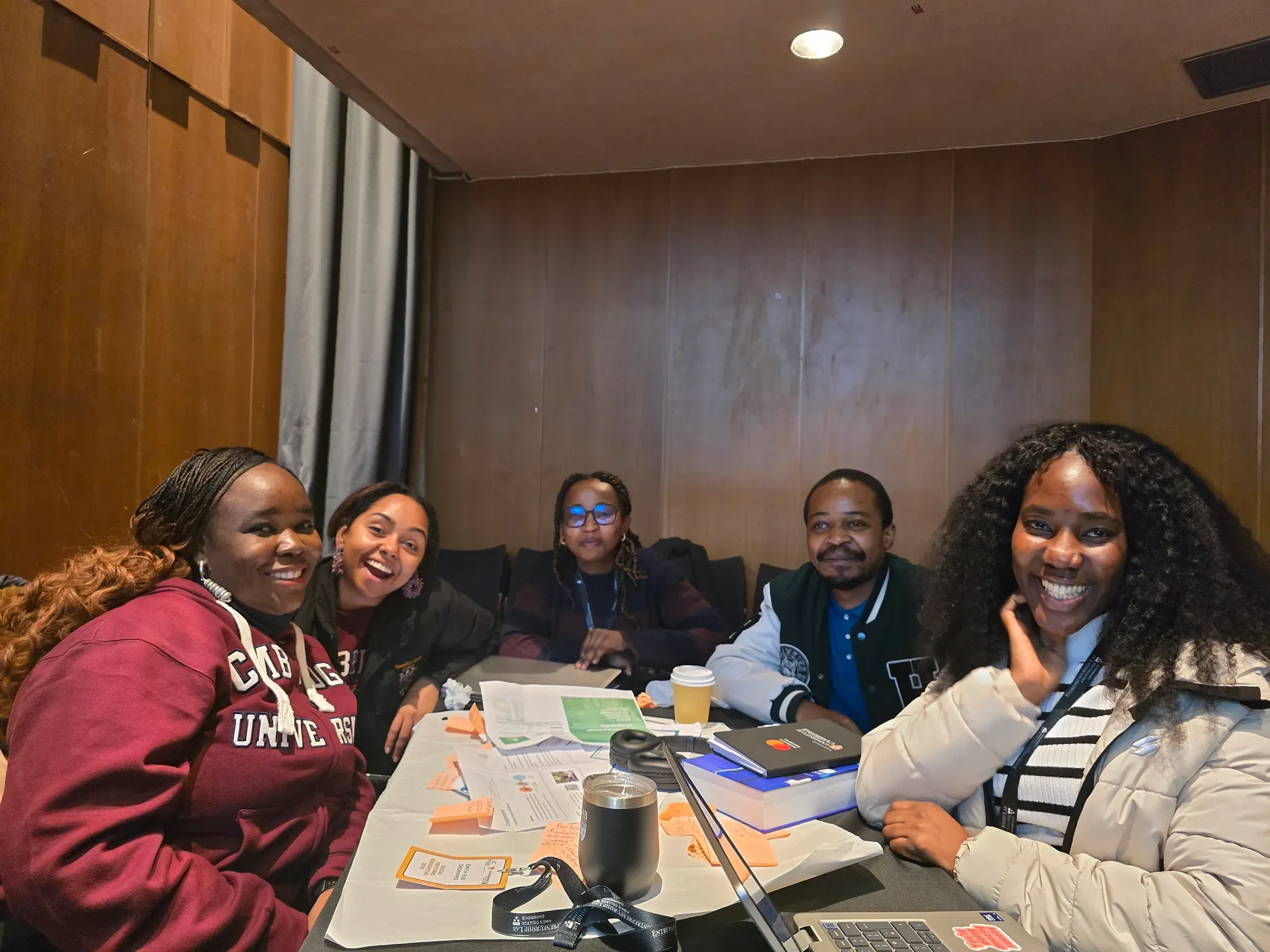
In today's interconnected world, impact transcends outcomes as it is about value perspectives, systems, and social responsibility. At the King’s E-Lab Social Venture Residential, MPhil student Enita Okonkwo was challenged to rethink how value is created, who benefits, and how leadership across sectors can reshape complex systems. In this week’s blog, read how this immersive experience reframed Enita’s understanding of social entrepreneurship and strengthened her commitment to designing ventures that reshape systems for long-term sustainable impact.
From Intelligent Toilets to NHS Frameworks
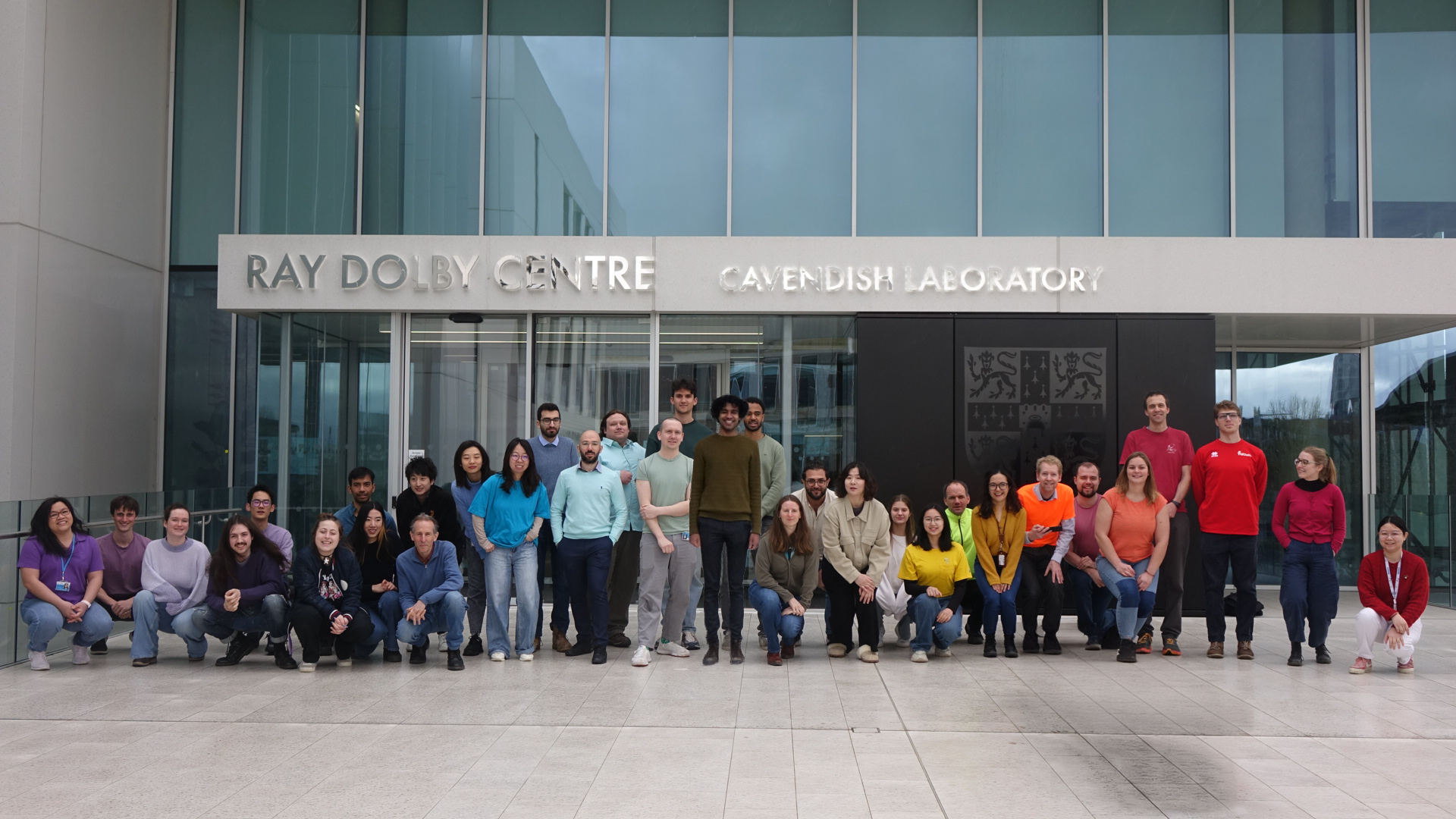
Healthcare start-ups often encounter an implicit message: to work with the NHS, you must implement full medical-grade compliance from the outset. This complexity creates friction, reduces the diversity of innovation, and disengages aspiring innovators. While the NHS must be cautious, the current system results not in safer innovation, but stalled innovation. In this week’s blog, read our very own James Beattie’s arguments for why institutional clarity in public healthcare is essential to widen participation, support innovators, and ultimately strengthen the NHS.
How can I submit a piece?
Submissions for the "Mindsets" blog series can be made as follows:
Follow this form to submit your blogs
Content should relate to entrepreneurship and the entrepreneurial mindset, though the brief is flexible. The organizers especially welcome critical perspectives that raise questions and prompt responses, as well as thought-provoking reflections and innovative ideas.
When submitting, please specify a category that best fits your piece:
Entrepreneurship advice,
Reflections on E-lab events and activities,
Opinion pieces on entrepreneurship and its societal impact,
Research by E-lab community members.
Contact Sophie at seh220@cam.ac.uk for any questions!